

Shanghai MSD PVC Inflatable Fabric Quality Testing
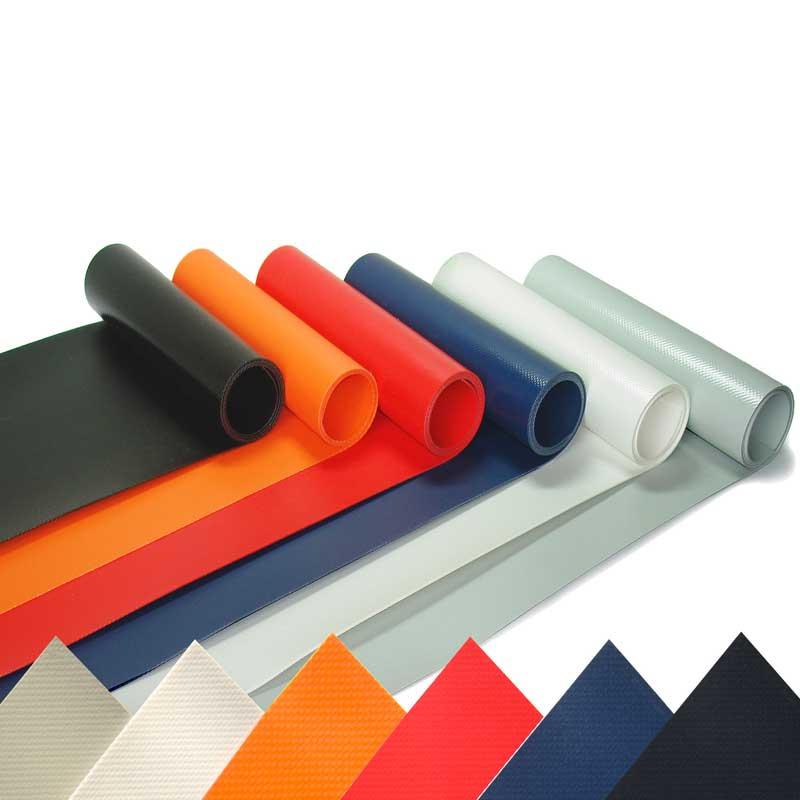
Inflatable composite textiles are widely used in modern engineering because they combine lightweight structure with the ability to maintain internal air pressure for long periods. From marine transportation and outdoor recreation to temporary architectural structures and industrial equipment, inflatable products depend on reinforced coated fabrics that can withstand repeated mechanical stress and environmental exposure. Among the materials commonly selected for these applications is PVC Inflatable Fabric, a specialized composite material designed to provide airtight sealing, flexibility, and high structural strength. Through global material distribution networks, companies such as Shanghai MSD International Trade Co., Ltd. support manufacturers by supplying coated textile solutions that meet the demanding requirements of inflatable product development.
The structure of inflatable PVC fabric is built on a reinforced textile foundation that provides the mechanical strength required for pressurized structures. The core of the material is typically composed of woven polyester fabric, selected for its high tensile strength and dimensional stability. Polyester yarns arranged in warp and weft directions create a stable framework that distributes internal air pressure evenly across the fabric surface. This reinforcement layer allows inflatable products to maintain their shape even under continuous pressure or heavy external loads. To transform the textile base into an airtight composite material, flexible polyvinyl chloride coatings are applied to the surface of the fabric.
The coating process plays a critical role in determining the overall performance of inflatable materials. One commonly used method is direct coating, in which liquid PVC plastisol is applied to the polyester fabric using a controlled blade system. The coated material then passes through a heated curing chamber where the plastisol undergoes chemical fusion and forms a flexible polymer film tightly bonded to the textile substrate. Another manufacturing technique involves laminating pre-formed PVC films onto the reinforcement fabric using heat and pressure. This lamination process produces a smooth, uniform surface and ensures strong adhesion between the layers, which is essential for maintaining airtight performance.
Material formulation also influences the flexibility and durability of inflatable PVC fabrics. Plasticizers are incorporated into the PVC compound to enhance flexibility and prevent cracking during repeated folding and inflation cycles. Without these additives, the polymer coating would become rigid and brittle over time. Stabilizers are also included in the formulation to protect the PVC from degradation caused by heat during processing and ultraviolet radiation during outdoor use. For inflatable structures exposed to harsh weather conditions, additional UV inhibitors and weather-resistant pigments may be added to extend the service life of the material.
Seam construction is one of the most critical aspects of inflatable product manufacturing. Unlike conventional textiles that are stitched together, inflatable fabrics require airtight seams that prevent air leakage. For this reason, manufacturers typically rely on high-frequency welding or hot-air welding techniques. During welding, the PVC coating layers on adjacent fabric panels are heated until they soften and fuse together. When pressure is applied, the molten layers bond into a continuous seam that maintains both mechanical strength and airtight sealing. This welding process is widely used in the production of inflatable boats, rescue equipment, and large air-supported structures.
Performance testing is essential for verifying the reliability of inflatable PVC fabrics before they are used in commercial products. Tensile testing evaluates the material’s ability to withstand stretching forces, ensuring that it can tolerate internal air pressure without structural failure. Tear resistance testing measures how well the material resists the spread of punctures or cuts. These mechanical tests are particularly important for inflatable structures that may encounter sharp objects or rough surfaces during operation.
Air retention capability is another important performance parameter for inflatable fabrics. Specialized testing equipment is used to measure the rate of air leakage through the material under controlled pressure conditions. High-quality inflatable fabrics are designed to exhibit extremely low permeability, allowing inflatable products to remain pressurized for extended periods without constant air pumping. Shanghai MSD works with manufacturing partners that implement strict quality control procedures to ensure that inflatable fabrics meet international performance standards for airtightness and durability.
Environmental resistance also plays a crucial role in the long-term performance of inflatable materials. Products used outdoors must withstand exposure to sunlight, humidity, temperature changes, and mechanical abrasion. To evaluate these conditions, manufacturers conduct accelerated weathering tests that simulate prolonged exposure to ultraviolet radiation and environmental stress. These tests help determine whether the PVC coating will maintain its flexibility, adhesion, and color stability over time.
The wide range of properties offered by inflatable PVC fabrics supports numerous industrial and recreational applications. In the marine sector, the material is commonly used to manufacture inflatable boats, floating docks, and life rafts. These products require materials that can resist water exposure and mechanical abrasion while maintaining reliable air pressure. Recreational products such as inflatable playground equipment, camping mattresses, and water park structures also rely on reinforced PVC fabrics because they combine durability with lightweight portability.
Inflatable fabrics are also widely used in large-scale temporary architecture. Air-supported domes, exhibition tents, and emergency relief shelters can be constructed using PVC-coated textiles because the material allows large enclosed spaces to be created without heavy structural frameworks. The ability to deflate and transport these structures easily makes them particularly useful in situations where rapid deployment is required.
In addition to structural applications, inflatable fabrics are commonly used in advertising and event marketing. Giant inflatable displays, branded promotional structures, and decorative installations rely on PVC-coated fabrics because the material supports high-quality printing. Digital printing and screen printing technologies can produce vibrant graphics directly on the smooth PVC surface, enabling businesses to create visually striking promotional displays.
Ongoing advancements in polymer chemistry and textile engineering continue to improve the durability and functionality of inflatable fabrics. Suppliers such as Shanghai MSD International Trade Co., Ltd. contribute to this progress by connecting manufacturers with advanced coated textile materials and technical resources. Industry professionals seeking further insights into polymer film materials and related technologies can explore additional information available at https://www.shanghaimsd.com/news/petg-film-vs-pet-film-what-are-the-key-differences.html .

 English
 Arabic
 French
 Spanish
 Portuguese
 Deutsch
 Turkish
 Italiano
 Russian
 Romaian
 Portuguese (Brazil)
 Greek
Greek