

HJSI Plastic Cable Glands: Engineered Polymer Excellence
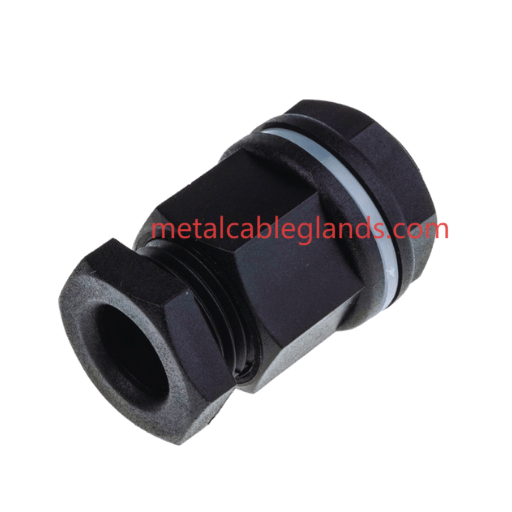
The Plastic Cable Gland represents a blend of material science and engineering precision, designed to ensure reliable sealing, strain relief, and cable protection in diverse applications. Its performance largely depends on the selection of polymer materials, each offering distinct mechanical, thermal, and chemical properties. Zhejiang Hongjue S Connector (HJSI) leverages advanced polymer research and molding technology to create cable glands that perform consistently in both industrial and commercial environments.
At the core of every plastic cable gland lies its material composition. Common polymers used include polyamide (PA), polypropylene (PP), and polyethylene (PE), each selected based on the intended application. Polyamide PA66, for example, is renowned for its strength, stiffness, and excellent resistance to chemicals, making it ideal for demanding electrical enclosures. Its self-extinguishing and non-hygroscopic nature also improves fire safety and stability under changing humidity conditions. HJSI incorporates high-grade nylon blends with UV stabilizers to extend outdoor performance and prevent material degradation.
Polypropylene offers a different set of advantages. It is lighter, highly resistant to chemical solvents, and has a lower cost compared to other engineering plastics. This makes it suitable for applications in less demanding environments or where cost-efficiency is a priority. Its electrical insulation capability remains excellent, ensuring safety in low-voltage systems. HJSI engineers often utilize PP for small device housings and control panels where the gland’s primary role is to provide sealing and mechanical support without exposure to high mechanical stress.
In contrast, polyethylene materials are valued for their toughness and resistance to impact at low temperatures. They are commonly used in environments where flexibility is needed, such as outdoor installations and mobile equipment. This versatility allows manufacturers like HJSI to design glands that perform well across temperature extremes, ensuring consistent reliability in varying climates.
Beyond base materials, additives and modifiers play a crucial role in enhancing the functional characteristics of the Plastic Cable Gland. UV stabilizers prevent fading and brittleness caused by sunlight, while flame retardants improve safety in industrial and transportation systems. Antistatic agents may also be added to minimize the buildup of static charges, which is essential in sensitive electronic or automation environments. HJSI carefully balances these additives to maintain both performance and environmental compliance, following international standards such as RoHS and REACH.
Another important factor is the mechanical design integration with material behavior. Plastic, unlike metal, can deform slightly under load—an advantage when it comes to creating tight seals around flexible cable sheaths. HJSI’s engineering team uses finite element analysis (FEA) to predict material performance under compression and thermal stress, ensuring that the sealing ring, thread geometry, and clamping structure all work harmoniously. This precise coordination between design and material properties ensures long-term performance and prevents premature wear or cracking.
Thermal resistance is also a key property in the selection of materials for plastic glands. Depending on the polymer type, operating temperatures may range from -40°C to over 100°C. HJSI tests each gland under extreme thermal cycling to guarantee performance stability. This makes them suitable for applications in renewable energy systems, industrial automation, and telecom equipment, where temperature fluctuations are common.
Environmental sustainability has become an increasingly important aspect of material science in recent years. HJSI’s research and development teams continue to explore bio-based and recyclable polymers that maintain strength and durability while minimizing environmental impact. Such innovations help align industrial components with the broader global push toward greener manufacturing practices.
By combining scientific material selection, advanced design, and precise manufacturing, HJSI ensures that each gland achieves the ideal balance between strength, flexibility, and insulation. Whether used in electrical cabinets, communication systems, or outdoor installations, the company’s products demonstrate how material science continues to drive innovation in electrical connection technology.For more details about HJSI’s advanced polymer-based cable glands and other connection solutions, visit https://www.metalcableglands.com/ .

 English
 Arabic
 French
 Spanish
 Portuguese
 Deutsch
 Turkish
 Dutch
Dutch
 Russian
 Romaian
 Portuguese (Brazil)
 Greek
Greek