

Enhance Facility Efficiency With Dewatering Of Sludge Solutions Today
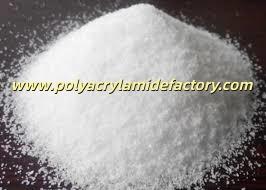
Dewatering Of Sludge is a critical step in achieving efficient and sustainable waste management. Facilities often encounter challenges with excess water content, heavy material, and inconsistent sludge composition. Proper dewatering techniques allow operators to convert wet, cumbersome sludge into manageable solids, improving handling and storage efficiency. By implementing modern solutions, facilities can maintain smoother operations, reduce unnecessary labor, and optimize transportation, turning a once difficult task into a controlled, productive process.
In many plants, sludge characteristics vary from batch to batch. Without reliable dewatering solutions, operators may face interruptions, excessive water handling, or extended processing times. Advanced equipment, combined with high-quality chemical agents, ensures predictable results regardless of material variability. The synergy between mechanical and chemical approaches accelerates water removal, producing solids that are easier to press, filter, or transport. Such systems are not just functional—they bring consistency and confidence to every stage of sludge management.
One major advantage of modern dewatering methods is operational efficiency. Machines are designed to reduce energy consumption while maximizing output. Operators can monitor performance in real time, adjusting parameters as necessary to optimize results. This flexibility minimizes downtime, reduces maintenance costs, and ensures that every batch of sludge receives proper treatment. By streamlining the process, plants can improve throughput without increasing labor demands, freeing staff to focus on more strategic or complex tasks.
Chemical solutions are essential in enhancing performance. Polymers and coagulants facilitate water separation by aggregating fine solids, making them easier to handle. When correctly applied, these agents improve filtration efficiency, reduce residual moisture, and shorten processing time. The combination of mechanical precision and chemical enhancement ensures predictable, repeatable outcomes. Facilities gain control over a previously unpredictable process, resulting in cost savings, reduced environmental impact, and higher overall productivity.
Environmental responsibility is another key factor. By removing excess water from sludge, transport volumes decrease significantly. Fewer trips to disposal sites mean lower fuel consumption and reduced emissions. Additionally, less moisture reduces the strain on landfills or processing locations, supporting long-term sustainability goals. Implementing efficient dewatering techniques demonstrates a commitment to eco-friendly practices while simultaneously improving operational outcomes, creating a win-win situation for both business and the environment.
Flexibility in operation is essential for modern facilities. Systems can accommodate variations in sludge density, chemical composition, and moisture content, allowing operators to adapt quickly without sacrificing performance. Adjustable settings and responsive equipment prevent overloading and extend machinery life. This adaptability ensures that facilities maintain consistent performance, even under changing conditions, providing reliability and predictability that enhances overall efficiency.
Hengfeng has been a trusted provider of advanced dewatering solutions, offering high-quality polymers and equipment designed for maximum performance. Their products address the challenges of varying sludge types, enabling operators to achieve optimal results while maintaining safety and compliance standards. Hengfeng's dedication to quality ensures that every facility can experience a smooth, efficient sludge management process, turning complex operations into manageable tasks.
For operators seeking to improve productivity, reduce costs, and maintain environmental responsibility, exploring professional dewatering solutions is a practical step. High-quality products and tailored systems allow facilities to manage sludge efficiently, improve operational consistency, and support sustainability initiatives. Learn more about effective dewatering solutions at https://www.polyacrylamidefactory.com/product/ . Proper Dewatering Of Sludge is not merely a task—it is a strategic advantage, transforming daily operations into streamlined, eco-conscious processes.

 English
 Arabic
 French
 Portuguese
 Deutsch
 Turkish
 Dutch
Dutch
 Italiano
 Russian
 Romaian
 Portuguese (Brazil)
 Greek
Greek