

The Evaluation of Custom Food Paper
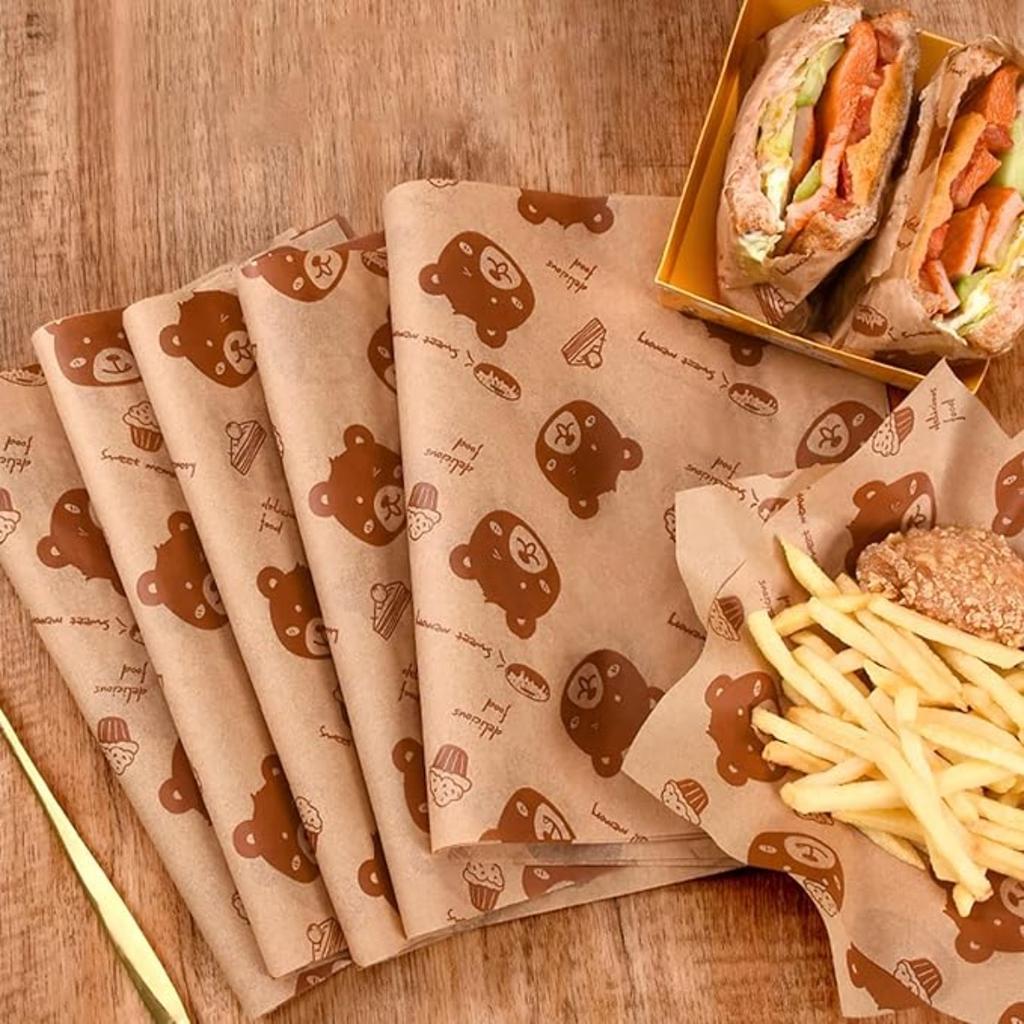
Custom food paper is essential in food presentation, packaging, and branding of restaurants, bakeries and a catering company. Testing its quality allows keeping its products fresh, attractive, and safe to be used, and also in a professional manner. Whether it is wrappers, sheets, rolls, or printed designs, the type of food paper chosen can affect the experience of the customer, durability, and usability.
Knowledge of the material, printing quality, and performance enables businesses to pick the best food paper that safeguards the products, boosts brand awareness and remains efficient. This guide identifies the most crucial points to be considered during the evaluation of custom food paper in order to guarantee uniform and quality results.
Material Composition Insights
food paper wrapper were based on the material. The strength, thickness, and flexibility of paper identify the quality of the paper in retaining and preserving food products. Sturdy materials do not tear, retain shape and can be easily wrapped, particularly when using heavy or greasy foods. Grade comparison of the material makes it resistant, and its functionality is influenced by its compatibility with oils, moisture and heat. Composition assessment also establishes the appropriateness of the paper to be put into print or any branding requirements; the paper should be able to divide logos, patterns or any other customization without affecting the structure of the paper.
Wrap Performance Evaluation
Food paper wrap should be able to ensure the integrity of the products packaged without leakage or mess. Good wraps are waterproof and do not allow the penetration of moisture and grease, which keeps sandwiches, pastries, and fried foods fresh. Flexibility and adherence testing make the wrap remain attached to different shapes. Performance wrapping is important to customer satisfaction because loose or ineffective paper may cause spills, as well as damaged products, and bad impressions. This is because the wrap can ensure quality under various conditions and minimize waste to the business by ensuring they are consistent.
Sheet Versatility Test
Ready to cut food paper sheets are convenient and standardized for restaurants and bakeries. The process of assessing the quality of sheets involves the measurement of sheet thickness, flexibility, tearing or grease resistance. Homogeneous sheets are time-saving when preparing food and improve presentation. Also, the sheets should be capable of being printed or branded to make them look attractive. The choice of the high quality sheets will contribute to the effectiveness of operations, ease of work, and the appearance of similar and appealing packaging for all the menu products.
Printing Quality Checks
Food paper enhances brand-identity and presentation. Look at colour vividness, sharpness and permanence when comparing personal printed alternatives. When exposed to heat or water, the ink should not smear or disappear. Qualitative printing enhances experiences when unboxing, builds on professionalism, and brand awareness. Qualification of print quality ensures that logos, patterns, and designs are the same on all the sheets, all the rolling or wrappers, assisting in generating a single branding which blends with the overall style of the business.
Wax Coating Performance
Wax food paper can resist moisture and ensure it does not stick to greasy or wet food. Assessment of wax coating involves assessing uniformity, thickness and adhesion. The correct coating ensures that the paper cannot take up liquids but is flexible enough to be used to wrap or fill trays. Too little or too thin a coating may lead to sloppy packaging and presentation of food. Waxed food paper is important because it is used in fried food, sandwiches or pastries. It keeps the food neat, with no leaks, and the packaging prolongs the longevity of the food consumed by customers.
Colour and Material Preferences
Natural or rustic presentation styles are normally presented on brown food paper. Consistency of colour is evaluated to make sure that there is consistency across orders, whereas material choice impacts strength and flexibility. The simplest way of branding or matching with a print is by the use of natural-colored papers. Companies have to evaluate the visual aspect and features, since poor colours or poor materials may reduce the display of products. The proper combination of colours and materials leads to improved branding, appearance, and preservation of food.
Roll and Wrapper Flexibility
Food paper roll and Custom papers with logo types are flexible to food size and packaging needs. Rolls support a long wrapping of bulky products, and pre-cut wrappers make the services easier in high-volume establishments. These options are also evaluated by examining how easy they have become to handle, the accuracy of cutting, and their efficiency in packaging. Precise rolls and wrappers save time on preparation, ensure a consistent appearance and can accommodate a variety of food items without losing any protection or visual appeal.
Conclusion
Custom food paper is one of the most important aspects of food service, packaging and branding and not only affects food product protection, but also consumer perceptions. A material composition, wrap performance, sheet quality, printing, wax coating, colour consistency and format flexibility are all evaluated to make sure that businesses settle on the food paper that meets their operational and branding requirements.
Durability, prevention of leaks or damage, and general presentation of food items are ensured by proper evaluation. Restaurants, bakeries and catering services can keep efficiency, improve brand image, and provide the best experiences that give memorable impressions on the customers by making well-calculated selections and choosing the appropriate custom food paper.

 English
 Arabic
 French
 Spanish
 Portuguese
 Turkish
 Dutch
Dutch
 Italiano
 Russian
 Romaian
 Portuguese (Brazil)
 Greek
Greek