

Can You Match Wire Properties to Application Requirements?
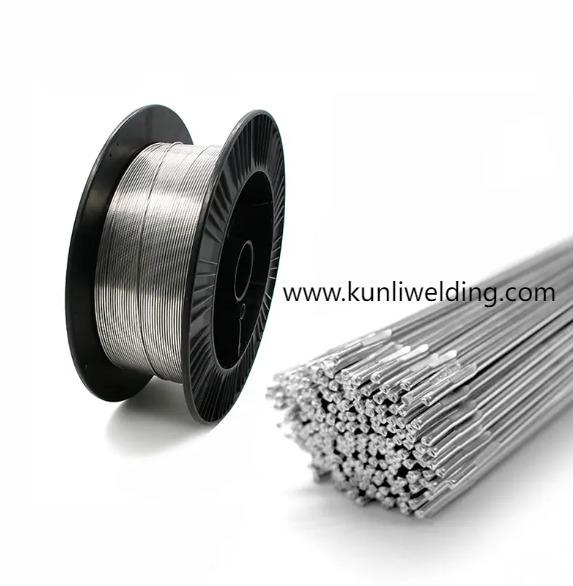
Fabrication shops face countless decisions when outfitting their welding operations, yet few choices impact final weld quality as significantly as filler metal selection. Welders working with lightweight metals encounter unique challenges that demand careful consideration of material properties and application requirements. Wholesale Aluminum MIG Wire manufacturers produce various alloy formulations, each designed for specific base metal combinations and performance characteristics, making informed selection essential for achieving desired results.
Understanding base metal composition provides the starting point for appropriate filler selection. Different aluminum alloys contain varying amounts of silicon, magnesium, manganese, and other elements that influence weldability and final joint properties. Matching filler chemistry to base metal ensures compatibility and prevents issues like cracking, porosity, or inadequate strength. Welders who ignore this fundamental principle often struggle with recurring quality problems regardless of technique refinements.
Joint design and accessibility influence which wire diameter works effectively for particular applications. Thinner materials and tight joint configurations benefit from smaller diameter wire that provides better control and reduces heat input. Heavier sections and open groove preparations accommodate larger diameters that increase deposition rates and productivity. Equipment capabilities also factor into diameter selection since wire feeding systems have specific ranges they handle reliably without bird nesting or erratic feeding.
Shielding gas interaction with different filler formulations affects arc characteristics and weld pool behavior. Pure argon remains common for aluminum welding, though some applications benefit from helium additions that increase heat input and penetration. Wire chemistry influences how the molten pool responds to gas coverage, impacting spatter levels, bead appearance, and defect formation. Testing various combinations helps identify which setup delivers acceptable results for specific projects.
Service conditions expected after fabrication guide decisions about filler mechanical properties and corrosion resistance. Structures exposed to marine environments require alloys with enhanced resistance to saltwater degradation. Applications involving elevated temperatures demand filler metals that maintain strength without excessive softening. Load bearing assemblies need adequate tensile and yield strength to handle operational stresses safely throughout their intended lifespan.
Welding position significantly affects which filler wire performs acceptably during actual fabrication. Flat and horizontal positions tolerate a wider range of wire types since gravity assists pool control. Vertical and overhead welding demand filler chemistry that produces faster freezing pools with reduced fluidity. Selecting wire appropriate for required positions prevents frustration and quality issues when welders must work in challenging orientations.
Post weld heat treatment requirements influence initial filler selection since some alloys respond differently to thermal processing. Applications requiring stress relief or property enhancement through heat treatment need compatible filler metals that achieve desired characteristics through thermal cycles. Welders should verify that chosen filler wire maintains adequate properties after any planned post weld treatments rather than discovering incompatibility after completing fabrication.
Color matching considerations arise in architectural and decorative applications where weld appearance matters aesthetically. Different filler alloys produce varying surface colors after welding and any subsequent finishing operations. Projects requiring uniform appearance across welded and unwelded areas benefit from filler selection that minimizes visual contrast. Testing on sample pieces reveals actual appearance before committing to production welding.
Feedability through welding equipment varies between wire formulations due to differences in stiffness and surface characteristics. Softer alloys may struggle with consistent feeding through long cable assemblies or small contact tips. Harder compositions sometimes cause excessive liner wear or erratic arc starting. Equipment compatibility testing identifies potential feeding problems before purchasing large quantities of incompatible wire.
Storage and handling requirements differ among various filler metals, affecting inventory management and shelf life. Some formulations resist atmospheric contamination better than others, tolerating less rigorous storage conditions. Moisture sensitive wires demand climate controlled storage and careful package resealing between uses. Understanding these requirements prevents quality degradation that leads to welding problems despite proper technique.
Cost considerations extend beyond initial purchase price to include factors like deposition efficiency and rework rates. Lower priced wire that produces excessive spatter or requires frequent parameter adjustments may cost more overall than premium products that weld cleanly with minimal optimization. Calculating true project costs including labor, consumables, and quality outcomes provides realistic comparisons between wire options.
Supplier technical support availability assists with troubleshooting and optimization when challenges arise. Companies offering application assistance help welders maximize results from their products through parameter recommendations and technique guidance. This support proves valuable when transitioning to unfamiliar alloys or addressing unexpected quality issues during production.
Industry standards and specifications sometimes mandate particular filler classifications for specific applications. Pressure vessels, structural components, and regulated industries often require certified materials meeting documented requirements. Verifying that selected wire carries appropriate approvals prevents compliance issues and potential liability concerns.
Testing and qualification procedures establish that chosen filler wire produces acceptable results under actual production conditions. Destructive testing verifies mechanical properties while visual and nondestructive examination confirms defect freedom. Documenting these qualification results creates records supporting quality systems and customer requirements.
Operator skill levels within a shop influence which wire types perform reliably across different welders. More forgiving alloys accommodate varying technique while demanding formulations require consistent skill application. Matching wire selection to workforce capabilities ensures production quality regardless of which operator performs the work.
Building relationships with knowledgeable suppliers who understand application requirements streamlines the selection process for future projects. Experienced distributors recommend appropriate products based on fabrication needs rather than simply fulfilling orders. These partnerships develop over time through successful collaborations and reliable service. When evaluating options for specific welding applications, accessing comprehensive product information and technical specifications supports informed decisions about Aluminum MIG Wire selection. Detailed alloy characteristics, recommended applications, and welding parameter guidelines are available through supplier resources at https://kunliwelding.psce.pw/8p6qbl . Taking time to match filler metal properties with project requirements establishes a foundation for quality welds and operational efficiency.

 English
 Arabic
 French
 Spanish
 Deutsch
 Turkish
 Dutch
Dutch
 Italiano
 Russian
 Romaian
 Portuguese (Brazil)
 Greek
Greek